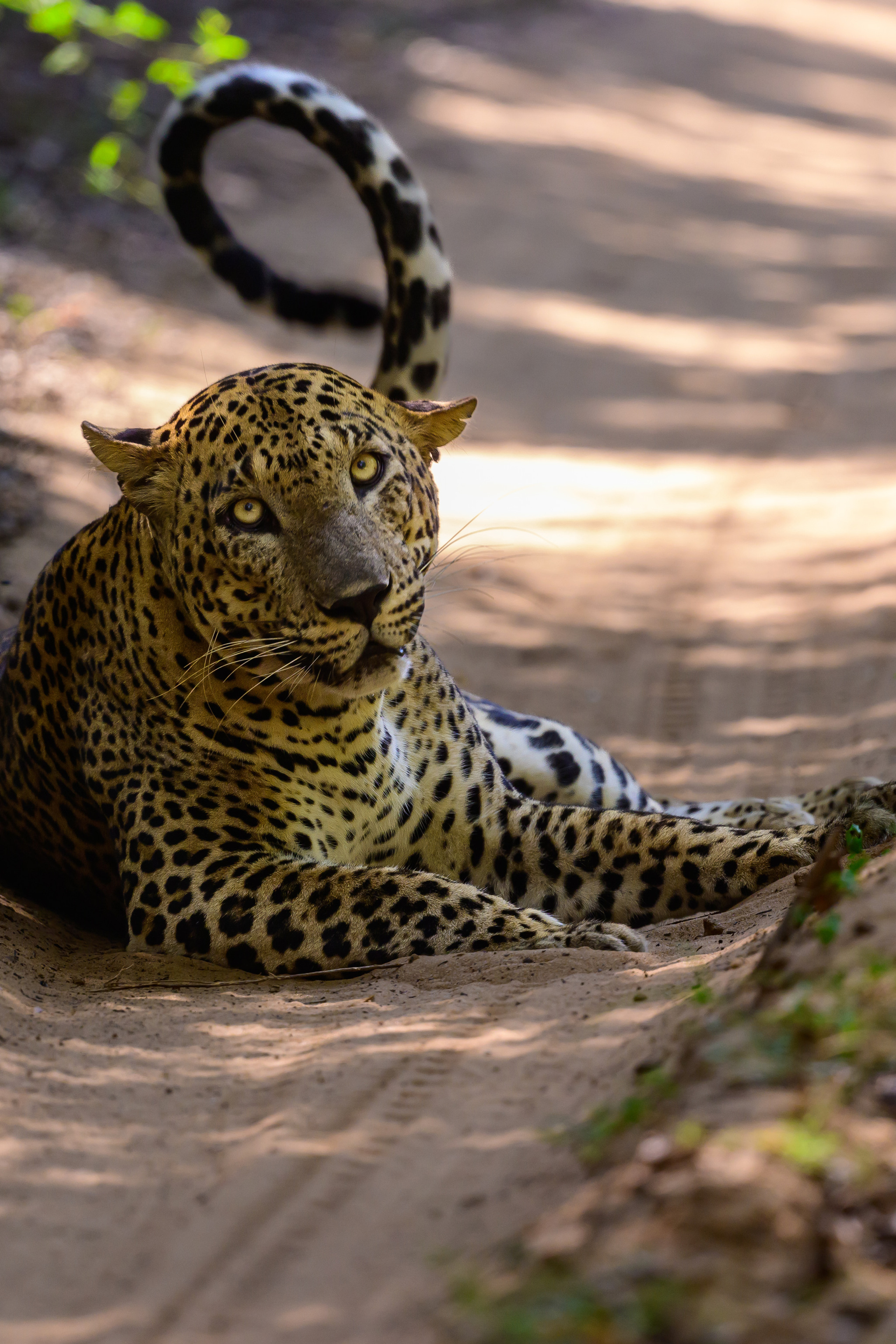
In Search of the Perfect Shot
When I first started photographing wildlife, I believed that truly remarkable images could only be made on expeditions.
You had to travel somewhere far away, preferably somewhere difficult to reach. Find a rare animal that few people had ever seen, spend several days in challenging conditions, and return with a photograph that would impress your audience.
There was a certain logic to this approach. Unusual animals, exotic landscapes, and complicated logistics all create a sense that something important is happening.
I traveled to Kamchatka, photographed Steller sea lions in Russkaya Bay, and explored wildlife in different parts of the world. Some of those photographs turned out rather well and were exhibited at major photography festivals, including Primordial Russia.
One of my most memorable adventures was an expedition to photograph snow leopards in India’s Spiti Valley.
The snow leopard is an extraordinary animal. Simply finding one in the mountains is an achievement. Getting a good photograph is an even greater challenge.
But gradually, something began to bother me.
I was getting good photographs, yet I didn’t always feel that I had truly created them.
Of course, I had organized the trip, reached a remote location, overcome various difficulties, and found the animal. All of that takes considerable effort.
But whether the leopard appeared in the right place, against a beautiful background, in interesting light, or displaying unusual behavior often came down to chance.
I had one week.
If there was no snowfall, no spectacular sunrise, and no interesting behavior during that week, the photograph simply didn’t happen.
About a month after my visit to Spiti, another photographer photographed snow leopards in the same mountains. By then, snow had fallen, the conditions had changed, and the resulting images were completely different. One of those photographs received major international recognition.
That made me wonder: what exactly constitutes photographic mastery?
Is it the ability to find yourself in the right place at the right moment?
Or is it the ability to create conditions in which good results become increasingly predictable?
I find the second idea much more compelling.
Wildlife photography will always involve an element of chance. Animals are not actors. You cannot tell them where to stand or what to do.
But the better a photographer understands an animal, the less dependent they become on blind luck.
Mastery begins when a lucky accident becomes a repeatable result.
On a typical expedition, there is rarely enough time to reach that stage.
Just as you begin to understand the animal’s habits, learn the terrain, and discover promising locations, it is already time to pack your bags.
So I began asking myself a question.
Do we really need to travel thousands of miles to produce meaningful wildlife photography?
What if the most interesting subjects are much closer than we think?
A Big Story Just Twenty Kilometers from Home
I live in Yakhroma, a small town north of Moscow.
The surrounding landscape is typical of central Russia: agricultural fields, floodplain meadows, peatlands, small woodlands, and the Yakhroma River.
Nothing particularly exotic.
No tigers, no grizzly bears, no snow leopards.
But there is an extraordinary variety of wildlife whose lives most people barely notice.
One of my first major local projects focused on the short-eared owl.
I photographed these owls over several seasons, particularly intensively during a year when the local vole population experienced a remarkable increase.
For the owls, it was a time of abundance.
Where food is plentiful, breeding opportunities improve, and a photographer has a chance to observe many different aspects of a bird’s life.
For approximately four months, I went out photographing almost every morning.
My routine was simple.
Wake up around four in the morning. Drive to the meadows. Photograph for two or three hours. Return home and start work by nine.
One advantage of summer at our latitude is that daylight comes very early.
You can live an entire additional life before the working day begins.
And gradually, I discovered something remarkable.
Over those months photographing an ordinary short-eared owl, I captured more interesting behavior and developed more photographic ideas than during many of my distant expeditions.
One photograph from this project, The Sanctity of the Wild, became particularly important to me. It brought together the bird, the light, and an unusual atmosphere in a single image.
The short-eared owl project later received recognition at the Rassvet National Wildlife Photography Awards, organized by the Russian Union of Wildlife Photographers.
And all of this happened practically on my doorstep.
That experience helped me formulate one of the central principles of local wildlife photography:
Depth comes from being able to return to the same place again and again.
The Short-Eared Owl: A Flying Cat of the Russian Meadows
The short-eared owl is a fascinating bird.
At first glance, it may seem like just another owl. But spend a few mornings observing one, and you quickly realize how different it is from the familiar image of a mysterious nocturnal forest hunter.
First, short-eared owls are often active in daylight, particularly during the morning and evening.
For a photographer, this is a tremendous advantage.
You don’t have to photograph them in near darkness or use artificial lighting. Their natural behavior can be observed in beautiful daylight.
Second, these owls inhabit open landscapes.
Their English name refers to their relatively short ear tufts, while their Russian name literally translates as “marsh owl.”
But they are by no means restricted to marshes.
They can be found in wet grasslands, floodplains, abandoned farmland, moorlands, and other open habitats.
The meadows around Yakhroma, with their old nettle stems, tall grasses, and scattered bushes, provide excellent conditions.
Third, during the breeding season, short-eared owls become territorial.
They patrol their territories, defend them against other birds of prey, and regularly bring food to their young.
This creates wonderful opportunities for systematic observation.
At first, their movements seem chaotic.
But gradually, patterns begin to emerge.
Here are several favorite perches: isolated bushes or small trees that provide a good view of the surrounding countryside.
Here is a regular hunting route.
And here is the place where a particular owl often appears in the morning.
Eventually, you develop a mental map of the owls' lives.
One day, instead of searching for birds, you simply arrive at a familiar bush and check who’s home.
Morning Exercises
Some of my favorite moments involved photographing owls during their morning grooming routines.
After resting, they spend considerable time taking care of themselves.
An owl preens its feathers, stretches, spreads its wings, extends one leg and then the other, and shakes its entire body.
Sometimes it adopts the most extraordinary poses.
I call short-eared owls flying cats.
They have expressive eyes, wonderfully flexible bodies, and a whole repertoire of movements that humans instinctively interpret as facial expressions.
Once, I photographed an owl with an expression that looked exactly like a broad smile.
In reality, it was simply preening its plumage.
But try convincing someone looking at the photograph that this isn’t a bird smiling contentedly at life!
On another occasion, an owl shook itself so vigorously after a long grooming session that its feathers formed something resembling an elaborate hairstyle.
I mentally titled the photograph Marilyn Monroe.
There were countless moments like these.
They didn’t happen because I was extraordinarily lucky every morning.
They happened because I understood when and under what circumstances the bird was likely to begin grooming.
That meant I could prepare in advance: choose my camera position, background, lighting, and shutter speed.
This is how biological observation gradually becomes deliberate photographic work.
Learning to Understand the Language of Birds
The most interesting part begins when you stop treating an animal merely as a photographic subject.
Over time, you begin recognizing individual birds by their appearance, habits, and behavior.
One owl was remarkably confident. It seemed far more interested in hunting and dealing with its neighbors than in a photographer watching from a safe distance.
Another was much more cautious and preferred to fly away at the slightest suspicion.
One displayed particularly interesting grooming rituals.
Another was an exceptionally successful hunter.
Of course, we should be careful not to anthropomorphize wildlife too much.
But individual behavioral differences are real, and noticing them is extremely valuable for a photographer.
Courtship flights are particularly fascinating.
A male short-eared owl can perform impressive aerial acrobatics.
He climbs, dives, executes complex maneuvers, and sometimes claps his wings beneath his body.
All this happens above an ordinary meadow in the Moscow countryside.
Without knowing what to look for, you could spend an entire summer nearby and never notice this extraordinary aerial performance.
During pair formation, birds may fly together, making synchronized turns.
Territorial disputes, however, look quite different.
It took me some time to learn the distinction between courtship behavior and aggression.
And that is one of the most valuable outcomes of regular observation.
You begin not only to see events, but also to understand their context.
Family Life: Feeding, Hunting, and Aerial Battles
During the breeding season, the lives of short-eared owls become especially eventful.
Their main prey consists of voles.
When voles are abundant, adult owls can provide food for their chicks at an impressive rate.
Young owlets that have left the nest remain dependent on their parents for some time.
They spread out through the grass, call loudly, demand food, and carefully watch for returning adults.
Feeding scenes can be wonderfully expressive.
As a parent approaches, an owlet starts calling, spreads its wings, and adopts all sorts of unusual poses.
Then comes the transfer of prey, sometimes directly from beak to beak.
There can also be considerable competition between the young.
Larger and more active chicks may have an advantage, although feeding patterns depend on many factors.
It would be misleading to suggest that parents always feed only the strongest chick.
Conflicts between adult owls and other birds of prey are equally interesting.
Some of the most dramatic confrontations I observed involved harriers.
Their hunting territories overlap, and competition can become quite intense.
Once, I watched a short-eared owl attack a western marsh harrier from below.
The strike was so unexpected that the harrier tumbled through the air, lost several feathers, and only then regained its balance.
Unfortunately, I missed the actual moment of impact.
I captured only the aftermath.
On another occasion, however, I witnessed an even more intriguing scene.
An owl was carrying a vole when a harrier began pursuing it.
Before the harrier caught up, the owl released its prey.
The harrier immediately performed a spectacular maneuver and caught the falling vole in midair.
Perhaps the owl sacrificed its meal to avoid a confrontation.
Perhaps the direction of its flight toward its chicks also played a role.
But a single observation cannot tell us exactly what influenced the bird’s decision.
And that is precisely what makes these encounters fascinating.
They reveal how complex animal behavior can be.
More importantly, they raise new questions that make you want to return and observe again.
Rain, Fog, and the Art of Returning
When you photograph the same species over a long period, you discover another important opportunity.
You begin working not only with the animal, but also with the changing atmosphere of the landscape.
Today, there is a clear morning, golden backlight, and dew.
Tomorrow, low clouds.
The following day, rain.
And a few weeks later, thick autumn fog rolls across the meadows.
On an expedition, you usually accept the weather you are given.
Whatever happens during your week is what you get.
With a local project, weather becomes one of your creative tools.
I particularly enjoy photographing wildlife in the rain.
A soaked owl sitting on a familiar perch creates a completely different image from the same bird in warm morning sunlight.
And when it suddenly shakes itself, a cloud of water droplets explodes around it.
Technically, this is not an easy scene.
The light is poor, you need a fast shutter speed, and ISO inevitably rises.
But such photographs can be wonderfully atmospheric.
Fog can transform an ordinary meadow into an almost mystical landscape.
And this is where the value of dozens of return visits becomes clear.
You no longer waste precious minutes searching for the animal.
You already know where to look, how to approach the area, what kind of light to expect, and which behaviors might occur.
Now you can concentrate on the photograph itself.
In a local project, the photographer gradually moves from searching for the subject to searching for the image.
For me, that has been one of the most important discoveries.
Why I Prefer Not to Approach Nests
The more time you spend with wildlife, the more important photographic ethics become.
Short-eared owls nest on the ground, hidden among grasses.
It might seem tempting to locate a nest, position a camera nearby, and photograph some rare moments of family life.
But I have come to believe that the potential rewards rarely justify the risks.
First, human presence may seriously disturb the adult birds.
Second, a trail leading to the nest can be followed by terrestrial predators or dogs.
Third, the nest itself is not necessarily an attractive photographic setting.
It is often much more productive to observe adults on their hunting grounds, photograph them on familiar perches, and work with young birds after they have left the nest, always maintaining an appropriate distance.
Even if an owlet does not fly away, that does not necessarily mean it is comfortable.
Young birds may freeze in response to danger, and some reactions that appear amusing to us are actually defensive behaviors.
The photographer’s responsibility is to recognize early signs of distress and stop approaching before the bird is forced to defend itself or leave a safe place.
For me, the photograph should be the result of understanding nature, not interfering with it.
Herons: When the Subject Is More Difficult Than It Looks
After the owl project, I began paying more attention to other inhabitants of our floodplain landscapes.
One of these projects focused on great egrets and grey herons.
Here, the conditions are very different.
While short-eared owls may tolerate careful observation under suitable circumstances, herons are often much more wary.
These large birds detect potential danger from a considerable distance.
Their flight-initiation distance can be hundreds of meters, depending on the situation.
Walking toward them openly with a camera is usually pointless.
Instead, I use hides, study feeding locations, and observe their regular movements.
Ideally, a hide should be installed in advance so the birds have time to become accustomed to the new object in their environment.
The great egret presents another challenge.
Its brilliant white plumage can appear almost luminous against a dark riverbank.
In strong sunlight, the white feathers easily lose detail in photographs.
That is why I prefer photographing great egrets under cloud cover, in diffused light, or sometimes in fog.
But what interests me most is their behavior.
At first glance, herons may seem rather boring.
A bird stands motionless in shallow water, waits for a fish, suddenly strikes, swallows its prey, and resumes standing still.
But extended observation reveals a remarkable variety of details.
Grey herons often rely on remaining motionless and waiting for prey.
Great egrets may be more active, slowly walking through shallow water and searching for fish.
Herons also possess specialized feathers called powder down.
These feathers gradually disintegrate into a fine powder that helps maintain their plumage.
A serrated edge on the middle toe claw acts rather like a comb, helping distribute this powder and groom the feathers.
Even ordinary preening becomes a photographic subject in its own right.
Territorial disputes are particularly interesting.
Grey herons sometimes chase great egrets away from favored feeding sites.
Occasionally, these confrontations turn into spectacular aerial battles.
I jokingly call this behavior localism.
Just as local surfers may resent newcomers taking over their favorite wave, a heron is not especially pleased when another bird arrives to fish in its favorite spot.
Of course, this is a humorous comparison.
But the underlying competition for valuable resources is very real.
And if you want to photograph such an encounter, it is not enough to turn up once with a long telephoto lens.
You need to know where the birds meet, when conflicts tend to arise, which direction the light comes from, and how the action might unfold.
Once again: regular visits, observation, and preparation.
The Common Quail: Twenty Mornings in the Meadow
Another bird that completely changed my understanding of familiar wildlife is the common quail.
Its call is familiar to many people who spend time in summer meadows.
But seeing the bird itself is much harder.
It is a small, secretive species that spends most of its life hidden in dense grass.
You can hear a quail calling just a few meters away, yet all you see is a solid green wall.
I decided to make the quail the subject of a separate local project.
In total, I made around twenty field trips.
First, I needed to locate areas where the males were actively calling.
Then I had to determine the periods of greatest activity.
Next came choosing a spot where a bird might actually emerge from the grass.
I used camouflage and experimented with playback of recorded calls.
There is an important ethical consideration here.
Recorded calls can alter a bird’s behavior and cause stress, especially during the breeding season.
They should never be assumed harmless simply because the bird responds.
Their use requires restraint, appropriate timing, and an understanding of the situation.
But my greatest photographic challenge was not attracting the quail’s attention.
It was the grass.
The bird could be just a few meters away, calling loudly and moving actively, yet the resulting photograph would show little more than an eye peering between stems.
That is where the real work began.
I started paying more attention to the foreground, looking for small gaps in the vegetation, and experimenting with camera position and light.
The same patch of meadow produced completely different possibilities on different mornings.
Fog.
Dew.
Sunshine.
Cloud cover.
Changing vegetation.
Gradually, instead of accidental portraits, I began producing deliberate images in which the quail became part of the surrounding landscape.
One of these photographs was included in an exhibition project dedicated to gamebirds.
And the subject was simply an ordinary quail living in an ordinary field.
There is an interesting paradox here.
On distant expeditions, we sometimes spend enormous sums of money for a single encounter with a rare animal.
Yet to produce a meaningful photograph of a common bird, I had to invest twenty early mornings.
Those twenty mornings gave me something no airline ticket could buy.
Cranes: Nine Unsuccessful Mornings in a Row
If short-eared owls taught me to enjoy regular observation, Eurasian cranes became a serious test of patience.
This is probably one of my most challenging local projects.
I work on it with a small group of photographer friends.
Roman Lobanov is a true master of artistic crane photography and has devoted many years to these birds. His photographs remain an important reference point for me.
Alexander Verin is our chief scout.
He regularly monitors the birds, knows the landscape, and helps us understand where and when the cranes might appear.
We jokingly call our team The Cranes Have Flown Away.
The name accurately describes a significant part of our experience.
Because the cranes really do fly away.
Sometimes before we have even opened our camera bags.
Special Forces-Level Camouflage
Cranes are exceptionally alert birds.
This is particularly true in autumn, when they gather in flocks that include young birds.
A single alarmed individual may be enough to alert the rest of the flock.
An ordinary camouflage net is not always sufficient.
The hide must almost disappear into the landscape.
Its silhouette, color, and shape must not attract attention.
Human movement and unusual sounds must be carefully concealed.
Sometimes even the slow movement of a large telephoto lens can alarm the birds.
I have learned just how sensitive cranes can be to such details.
Preparing a hide can take several hours.
You leave home in the middle of the night, reach the field, set up the hide, camouflage it, settle inside, and wait for dawn.
And then the cranes simply choose another field.
That’s it.
Time to pack up and go to work.
I have experienced runs of nine mornings like this.
Nine times waking up in the middle of the night.
Nine journeys to the field.
Nine careful preparations.
And nine mornings without a worthwhile photograph.
On the tenth morning, something might finally happen.
From the outside, this probably looks like a rather strange hobby.
But this is where you begin to understand that wildlife photography is not primarily about pressing the shutter button.
It is about research, preparation, persistence, and the ability to endure long sequences of unsuccessful attempts.
Dances You Never Forget
And yet cranes are worth every effort.
Especially in autumn, when they gather in large groups before migration.
Hundreds of birds in a single field.
Their trumpeting calls carry across the countryside.
Complex interactions unfold everywhere: synchronized pair calls, jumps, wing displays, short runs, and sudden bursts of excitement.
The cranes are dancing.
Crane dances are not limited to courtship.
They may also be associated with social interactions, excitement, and other situations.
Sometimes a dozen different scenes unfold simultaneously.
One pair performs a unison call.
Nearby, a young crane jumps into the air, flapping its wings.
Farther away, two birds are settling a dispute.
And behind them stands an entire crowd of spectators.
All of this is accompanied by an extraordinary chorus of voices.
At moments like these, a camera feels like a rather inadequate instrument.
A single photograph cannot capture the scale, sound, and movement of the event.
Sometimes you simply want to take your eye away from the viewfinder and watch.
Some experiences are most powerful when witnessed directly.
Beyond Photography
Our work with cranes has gradually developed into something more than a personal photographic project.
We cooperate with specialists from Crane Homeland, a protected natural area north of Moscow.
Regular observations by wildlife photographers can provide useful information for conservation and research.
We notice arrival and departure dates, movements between feeding areas, changes in habitat use, and unusual behavior.
I keep a field journal containing observations and photographs.
These records can complement the work of scientists studying the area.
We also occasionally encounter violations of wildlife protection regulations.
When this happens, we document what we observe and pass the information to the appropriate authorities.
For me, this is an important part of wildlife photography.
We are not merely visiting nature to collect beautiful images.
We gradually learn to understand the places we photograph, and sometimes we can help protect them.
There is another side to this responsibility.
Before migration, cranes need to feed undisturbed and accumulate sufficient energy for their long journeys.
For that reason, we deliberately avoid photographing them in certain sensitive locations.
The opportunity to take a beautiful photograph should never outweigh the welfare of the birds.
Watching Nature Change Before Our Eyes
Local projects offer another benefit that is not immediately obvious.
When you observe the same territory over many years, you begin noticing changes in nature itself.
Some species become more numerous.
Others disappear.
Migration dates shift.
Agricultural practices change.
Grasslands grow over, wetlands dry out, and new feeding habitats appear.
The great egret is one example.
Once much less familiar in the Moscow region, it is now regularly encountered.
Its northward expansion is associated with several factors, including climatic changes and the availability of suitable habitats.
The history of the great egret is fascinating in its own right.
In the past, these birds were heavily hunted for their beautiful breeding plumes, known as aigrettes, which were used to decorate fashionable women’s hats.
Populations suffered severely in some regions.
Later, legal protection and changing attitudes toward the feather trade helped them recover.
Today, we can photograph these magnificent white birds close to home.
But not every change is positive.
Agriculture has a profound influence on wildlife.
Short-eared owls depend on open habitats and abundant small mammals.
Changes in land use, rodenticide poisoning, and the destruction of suitable grasslands can all affect their survival.
Cranes, meanwhile, often benefit from agricultural landscapes.
Harvested fields containing leftover grain can become important feeding grounds.
This creates an interesting contrast.
The same agricultural system can provide opportunities for some species while threatening others.
The relationship between humans and wildlife is more complicated than simply saying that human activity is harmful.
We need to understand which practices affect which species, under what circumstances, and why.
A local photographer who regularly observes the same territory is in a particularly good position to notice these relationships.
Such observations cannot replace systematic scientific research.
But they can provide valuable supplementary information.
How Local Projects Make Expeditions Better
Now let us return to where this story began.
Distant expeditions.
Does everything I have said mean we should abandon them and photograph only near home?
Of course not.
I still love traveling, encountering rare animals, and exploring unfamiliar landscapes.
But my attitude toward expeditions has changed.
Previously, I often relied on the exotic nature of the subject itself to make a photograph interesting.
Now I try to arrive with a foundation of knowledge, observational experience, and photographic ideas.
This became particularly clear when I photographed sarus cranes in India’s Keoladeo National Park.
The sarus crane is the tallest living flying bird.
It is an enormous, wonderfully expressive species found in India and parts of Southeast Asia and Australia.
Unlike the Eurasian cranes of my local projects, many sarus crane populations are largely non-migratory.
In some areas, they are also relatively tolerant of human presence.
But what fascinated me most was something else.
By the time I arrived in India, I had already spent several years photographing Eurasian cranes in the Moscow region.
I knew their characteristic postures, interactions, calls, and general behavioral patterns.
Of course, the sarus crane is a different species, with its own distinctive habits.
But many principles of observing cranes proved transferable.
I already knew which movements might be important.
I could recognize when an interaction between a pair was about to begin.
I had a better understanding of when the most expressive moment might occur.
Skills I had spent years developing in the fields near Moscow suddenly became useful in India.
And that experience finally clarified the purpose of my local projects.
Local wildlife photography is not a substitute for expeditions. It is the foundation of expeditionary mastery.
A distant journey offers new environments, unusual animals, and rare opportunities.
A local project teaches you to understand behavior, interpret light, build compositions, and prepare for the decisive moment.
The stronger those skills become, the more productive each expedition can be.
You can spend a week in a distant country hoping for a lucky encounter.
Or you can arrive already knowing what kinds of stories you want to tell.
These are two very different approaches.
From Collecting Images to Exploring Nature
Over time, I noticed that something else had changed.
It wasn’t only the quality of my photographs.
It was the pleasure I took in the process itself.
At the beginning of my photographic journey, I was primarily interested in the result.
If I returned with a spectacular image, the trip had been a success.
If not, I had simply been unlucky.
Now, increasingly, the most interesting part happens before the photograph is taken.
When you discover a place you didn’t know existed.
When you notice an unfamiliar behavior.
When, after several unsuccessful attempts, you finally understand why a bird acts in a particular way.
When you find a new shooting position or notice a possibility you had previously overlooked.
When you return to a familiar meadow and discover that everything has changed since your last visit.
Photography becomes part of an ongoing investigation.
And the camera becomes a tool that encourages you to look more carefully at the natural world.
Local photography doesn’t necessarily mean spending years sitting in the same hide.
You can explore an area, search for new habitats, experiment with different routes, study the light, and change your photographic methods.
Sometimes the best result comes from waiting patiently in a hide.
Sometimes it comes from carefully exploring the landscape and discovering what is happening around you.
The important thing is to choose a method that suits the animal’s behavior and does not harm it.
Personally, I find the exploratory approach particularly rewarding.
Not simply taking another photograph, but trying to understand what is happening.
A Lifetime of Stories Close to Home
The longer I work on local projects, the more clearly I realize how vast the world of familiar wildlife really is.
Short-eared owls, common quails, grey herons, great egrets, Eurasian cranes — these are just a few examples.
There are also storks, grebes, great snipes, harriers, buzzards, waders, and countless songbirds.
There are mammals.
There are insects.
There are seasonal phenomena, migrations, courtship displays, territorial conflicts, hunting, and the raising of young.
And even if you choose just one species, you could photograph it for years.
Every season is slightly different.
Landscapes change.
Light changes.
Animal populations fluctuate.
Behavior varies.
New photographic ideas emerge.
And as your experience grows, you change as a photographer too.
An image that seemed outstanding five years ago may look rather ordinary today.
Meanwhile, a small, almost insignificant event that you would once have ignored may become the most interesting subject of all.
This, I believe, is one of the greatest advantages of local wildlife photography.
It allows you to take your time.
You don’t have to capture every possible image in a single week.
You don’t have to rely entirely on fortunate circumstances.
You can return, experiment, fail, compare results, and reconsider your decisions.
Most importantly, you can gradually develop your own way of seeing.
Five Principles I Have Learned from Local Projects
Over the years, I have developed a few simple rules.
1. Choose not only an interesting species, but also an accessible location.
If your shooting location is twenty minutes from home, you can visit it far more often than a place that takes three hours to reach.
Over time, that difference becomes decisive.
2. Don’t wait for perfect light to begin observing.
Even when conditions are unsuitable for beautiful photographs, you can study behavior, identify favorite perches, follow movement patterns, and discover new opportunities.
Such visits can be just as valuable as successful photographic sessions.
3. Keep a field journal.
Record the date, time, weather, location, animals observed, and interesting events.
Document unsuccessful outings as well as successful ones.
After several seasons, these notes become far more useful than memory alone.
4. Learn to anticipate behavior.
One of the most important developments occurs when you stop merely reacting to an animal’s movements and begin predicting what it might do next.
That gives you time to choose the composition, lighting, and camera settings.
5. Never put the photograph above the animal.
Any sign of disturbance, particularly near nests or young animals, should be reason enough to stop or increase your distance.
A missed photograph can be attempted another day.
A disrupted breeding attempt cannot be undone.
Big Stories from Small Places
There was a time when I believed that serious wildlife photography inevitably involved traveling to distant corners of the world.
I see things differently now.
Expeditions remain an important part of my life.
I want to travel, encounter unfamiliar animals, and explore new ecosystems.
But much of what I have learned as a wildlife photographer has come from ordinary meadows near my home.
Short-eared owls taught me patience and the value of returning.
Herons taught me to work with light and camouflage.
Quails taught me to find compositions in places where there seemed to be nothing to photograph.
Cranes taught me to endure failure, work as part of a team, and understand the importance of protecting wildlife habitats.
And distant expeditions give me opportunities to apply that experience in entirely new environments.
For me, these are two parts of the same process.
Local projects create depth. Expeditions expand horizons.
The longer I photograph wildlife, the less interested I become in the rarity of an animal alone.
What matters much more is the story I manage to discover and tell.
Sometimes that story requires traveling halfway around the world.
And sometimes all you need to do is wake up at four in the morning, drink a cup of coffee, pick up your camera, and drive twenty kilometers from home.
Only to discover that the most extraordinary things have been happening right under your nose all along.
Sergey Puponin — Wildlife Photographer
Yakhroma, Moscow Region, Russia
Based on the presentations “The Power of Local Projects” and “Local Wildlife Photography: Big Stories from Small Places, ” delivered at the Primordial Russia and Golden Turtle wildlife photography festivals.
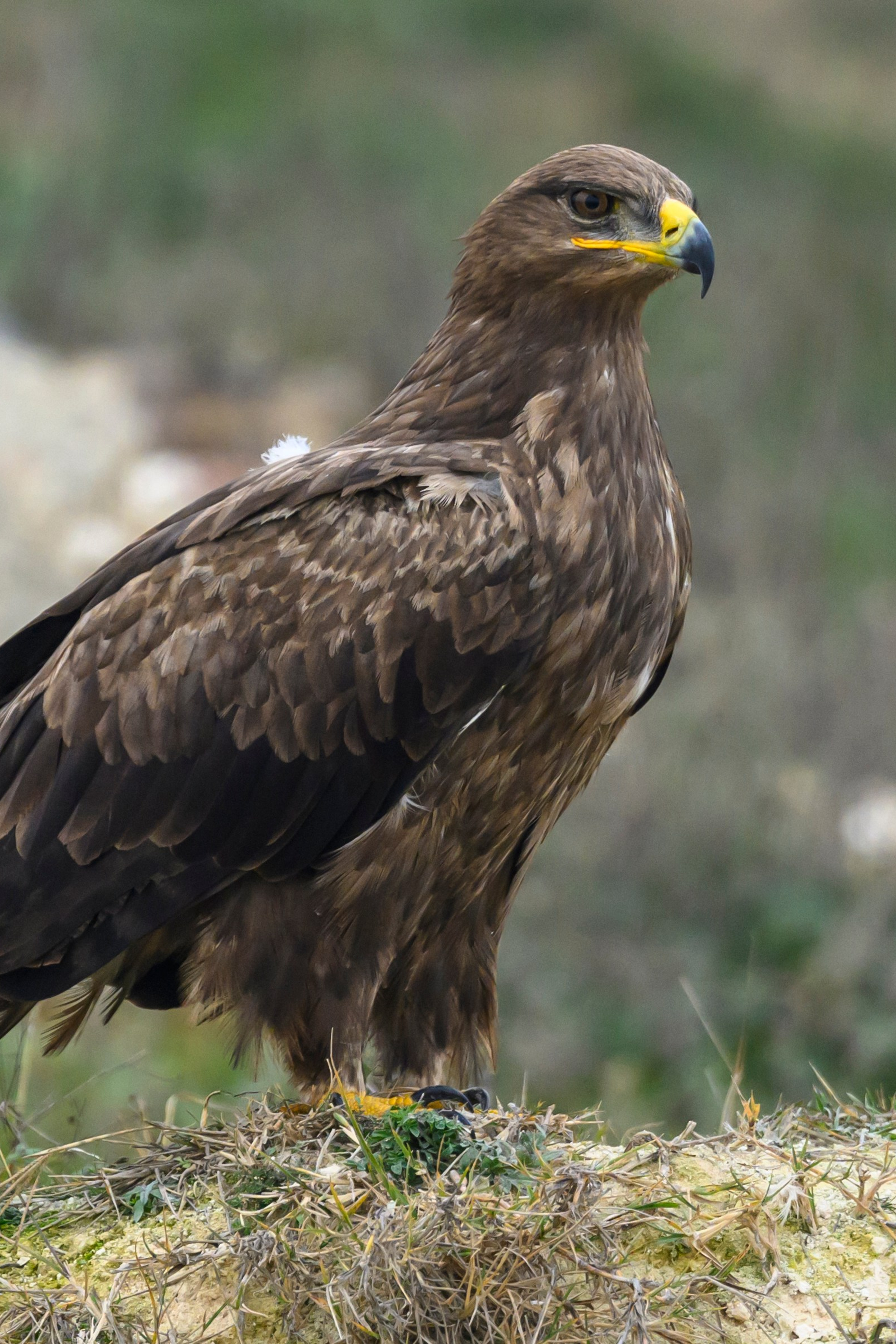

Effect over Moment: On Wildlife Photography in Competitions
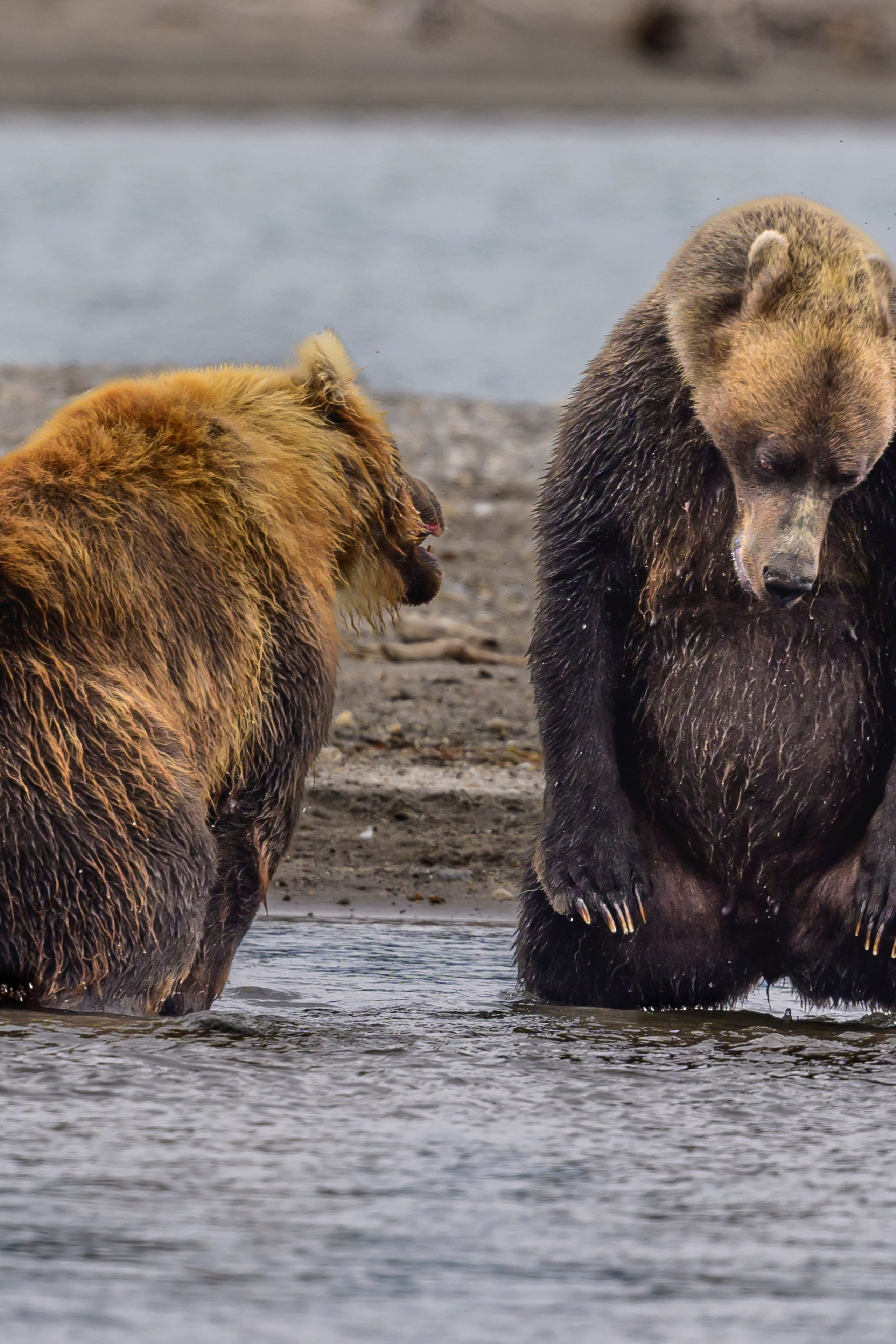
От охоты к фотоохоте
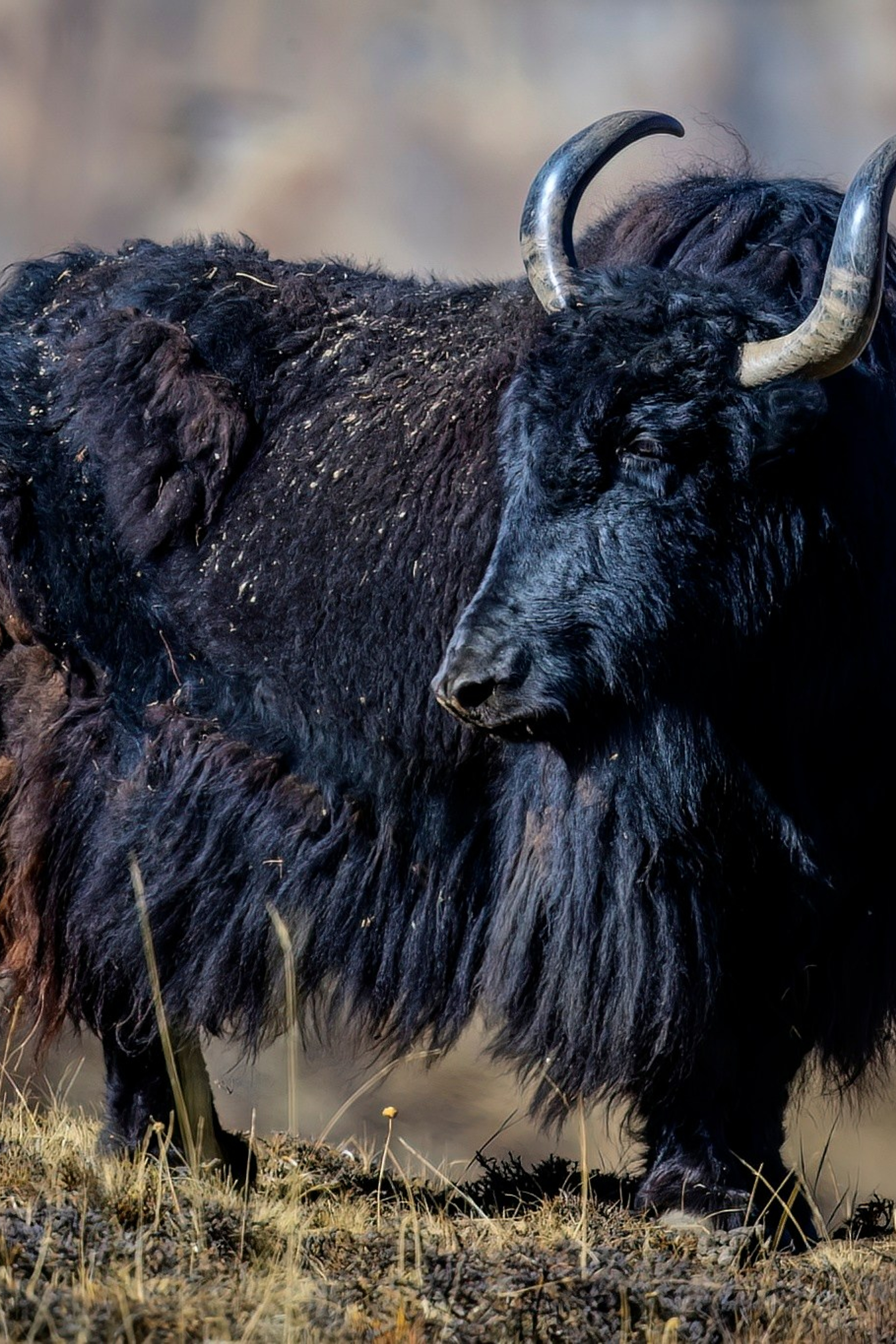
Путешествие в долину Спити: снежные барсы и духовное наследие Гималаев
Парк Крюгера, ЮАР
Budget safaris tips and tricks
Kruger National Park, South Africa